Impact & Stories

See the Collective Difference We're Making

HUMANIZING HOMELESSNESS

Immerse yourself in a world where the stories of individuals facing homelessness come to life. You will better understand the people behind these stories by setting aside any stereotypes and beliefs.

Step into their shoes, experience their daily challenges and witness the raw emotions that often remain unseen. Let your heart truly hear and feel the stories. May you learn from the stories, empathize with the experiences, and be inspired to ignite change in your community.

Experience the Stories

ACCESS DETAILED REPORTS ON OUR IMPACT AND PROGRAM OUTCOMES.

Impact Reports

BROWSE ALL NEWS, UPDATES, ANNOUNCEMENTS, AND OFFICIAL STATEMENTS.

All Posts

May 27, 2026
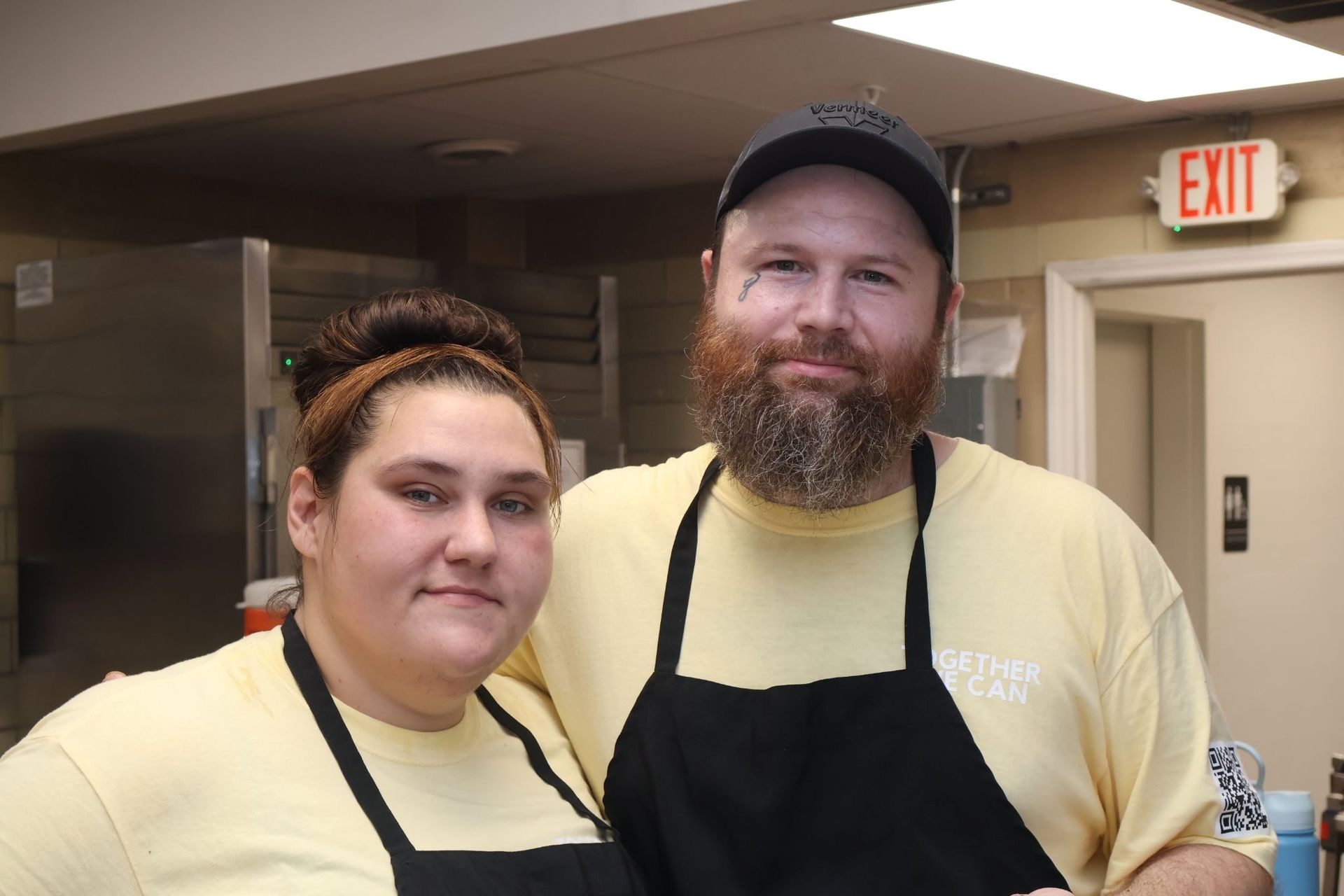
Written by Karl Vogl, II When life throws curveballs and people find themselves at rock bottom, it can be difficult to gather their thoughts and move toward a better situation. For many, community support can mean the difference between giving up and continuing to fight for self-sufficiency. That has rung true for John and Stephanie “Steph,” two recent graduates of the York Technical College Culinary Workforce Program. The Rock Hill couple experienced homelessness, drug addiction and a lack of financial independence before beginning their recovery journey. Today, they credit intentional community support with helping them rebuild their lives. In a recent interview, John and Steph recounted what life was like before receiving help, the organizations that helped propel them forward and the role the community has played in their rehabilitation. One of the most important parts of the process for the couple was remaining together. They did not want to worry about one another while navigating recovery, and through leaning on and supporting each other, they have made significant progress. Their journey toward financial independence began with an unexpected encounter. “Rock Hill PD pulled up on us and instead of taking us to jail like they could have they told us about the culinary program here at Pathways,” the couple said. When the Rock Hill Police Department had every right to arrest the couple, officers instead took them to Keystone, a substance abuse service provider. “We graduated from Keystone and were able to get our medication through Affinity Health Center’s MAT program,” John said. “Once we received our medication we were able to get rid of any negative influences and people.” Through Keystone, John and Steph were able to begin treatment that would place them on a path toward recovery. From there, they connected with doctors at Affinity Health Center, where treatment, testing and medication management continued to support their journey. The next step in the couple’s journey toward self-sufficiency was connecting with Pathways Community Center. There, the couple connected with agencies including Carolina Community Actions and York Technical College. “Chasy from CACH started coming around and helping us with things ... giving us clothes, gift cards, etc.,” Steph said. “Knowing there are people out there that care about people who are usually looked over really helps.” “We as a community are incredibly proud of John & Stephanie. They came to us with interest, but lacked confidence. Now they have worked through treatment, Stephanie has completed her GED, both graduated from the Culinary Workforce Program, and are employed. While they did the work, I am so proud of this community and all of the different agencies who invested in their journey,” said Taylor Thomas, Executive Director of Pathways Community Center. John and Steph quickly took interest in York Technical College’s Culinary Bridge Program at Pathways and began working toward receiving their ServSafe managerial certifications. The class is led by Chef Teshia, a culinary professional currently in the process of opening her own restaurant. “When I first met John and Steph I could tell that they were missing confidence in their work,” Chef Teshia said. “As they progressed towards graduation and even now as employees I can see the transformation of skill and confidence within them.” On April 29, 2026, the couple graduated from the culinary program with their ServSafe managerial certifications and were ready to enter the workforce immediately. Because of the discipline, work ethic and spirit displayed by the couple in class, Chef Teshia hired them immediately to work at TKO at the Legion. While the couple is still waiting to secure housing, they have already made significant progress toward self-sufficiency. For the first time in their lives, they said they have saved more than $1,000 to help continue building stability for themselves. When asked how they have made it this far, the couple consistently emphasized the importance of the community surrounding them. Without the support of organizations such as Welcome Table Church, Catawba Area Coalition for the Homeless, Pathways Community Center, Rock Hill Police Department, Keystone, Affinity Health Center and York Technical College, the pair said they are unsure where they would be today. The power of intentional community is reflected in John and Steph’s story, but theirs is only one of many throughout the Rock Hill area. “When you see people trying to help themselves it makes them more likely to help you,” Steph said. John and Steph are looking forward to eventually moving into a home of their own. John said the process has also helped them create routine and structure in their lives. Together, the couple encourages anyone struggling and needing help to simply start somewhere.
May 4, 2026
Welcoming Jericha Osborn, Intake & Engagement Manager Pathways Community Center is honored to welcome Jericha Osborn to our team as our new Intake and Engagement Manager. Jericha joins us with a deep calling to serve individuals experiencing homelessness and navigating life transitions. With more than two years of experience in recovery and community-based support, she has walked closely alongside individuals in some of their most challenging seasons, offering not only guidance, but presence, compassion, and unwavering belief in what’s possible. Her work is rooted in meeting people exactly where they are, honoring their dignity, and helping them take meaningful steps toward stability and restoration. Through her role, Jericha will help connect individuals to critical resources such as shelter, treatment, and community support, while also serving as a consistent source of encouragement and accountability along their journey. We are grateful for the compassion, strength, and hope she brings to Pathways and the many lives that will be impacted through her work. Please join us in warmly welcoming Jericha to the Pathways family.
May 3, 2026
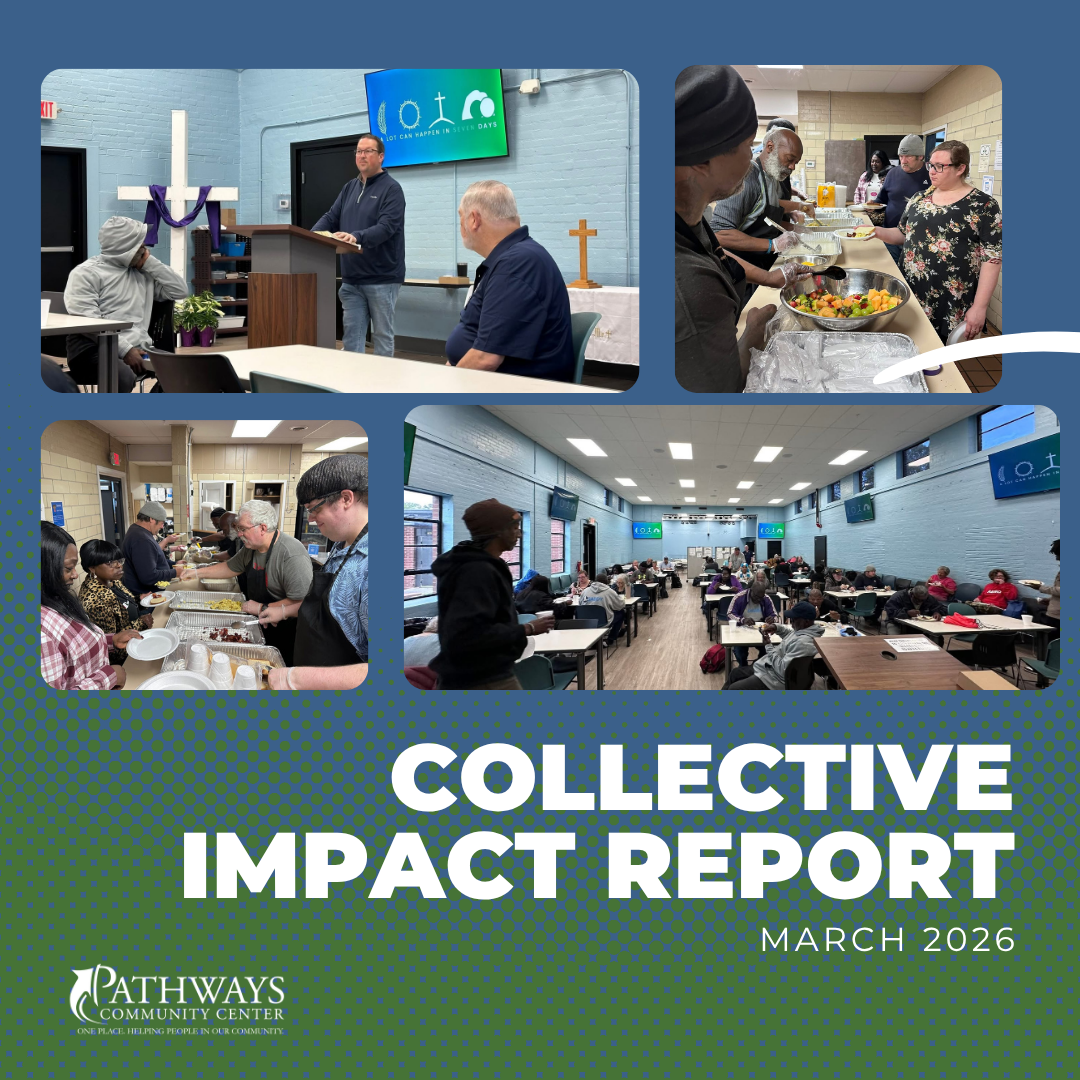
Collective Impact in Action March continued to show what’s possible when a community stays committed to the work. Across the Pathways campus, partners, volunteers, and on-site agencies remained engaged, responding to needs and creating real opportunities for individuals and families to move forward. Throughout the month, 404 services were delivered across our campus. Each one represents more than a moment of support. It reflects coordination, trust, and a shared commitment to showing up for our community in meaningful ways. Access to food and nourishment remained a critical part of that support. In March, 1,756 hot meals were served, alongside 1,546 bags of fresh groceries distributed. These resources continue to meet immediate needs while helping create stability for individuals and families navigating uncertain seasons. March also marked the close of another impactful VITA tax season. By the end of the month, 5,263 tax returns had been completed, serving 2,843 clients across York County. This work helped ensure individuals and families could file with confidence, access the credits they’ve earned, and keep more of what they’ve worked for. The work continues to build. Not always loudly, but consistently. And that consistency is what creates lasting impact.
May 3, 2026
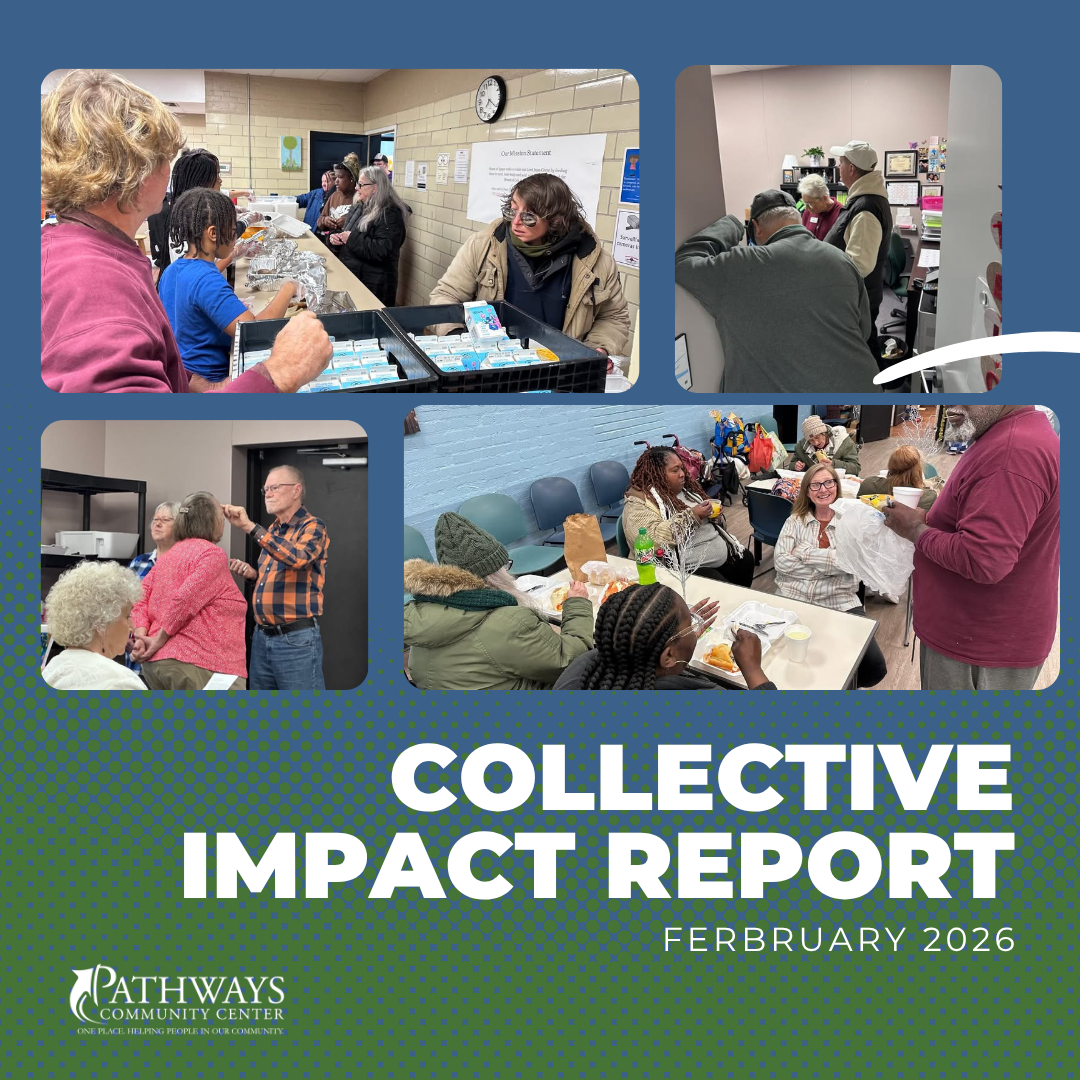
Collective Impact in Action Across the Pathways campus, partners, volunteers, and on-site agencies continued to show up with purpose, meeting needs and cultivating real pathways forward. From workforce development and housing support to health, recovery, and community connection, the momentum continues to build. In February, 83% of individuals enhanced their health and wellness, engaging with healthcare providers, counselors, peer-support specialists, and Learning Lab programming to take meaningful steps toward stability and wholeness. We also celebrated three individuals transitioning into independent living, marking powerful milestones on their journey toward self-sufficiency. We also expanded access to nourishment through our partnership with House of Agape, adding breakfast service on Fridays and Saturdays. This expansion now provides nine hot, nutritious meals each week on our campus, helping ensure consistent care and support throughout the week. In total, 443 services were provided through our on-site agencies, each one representing care, coordination, and collaboration in action. February was a reminder that when community shows up consistently, transformation continues. 
April 21, 2026
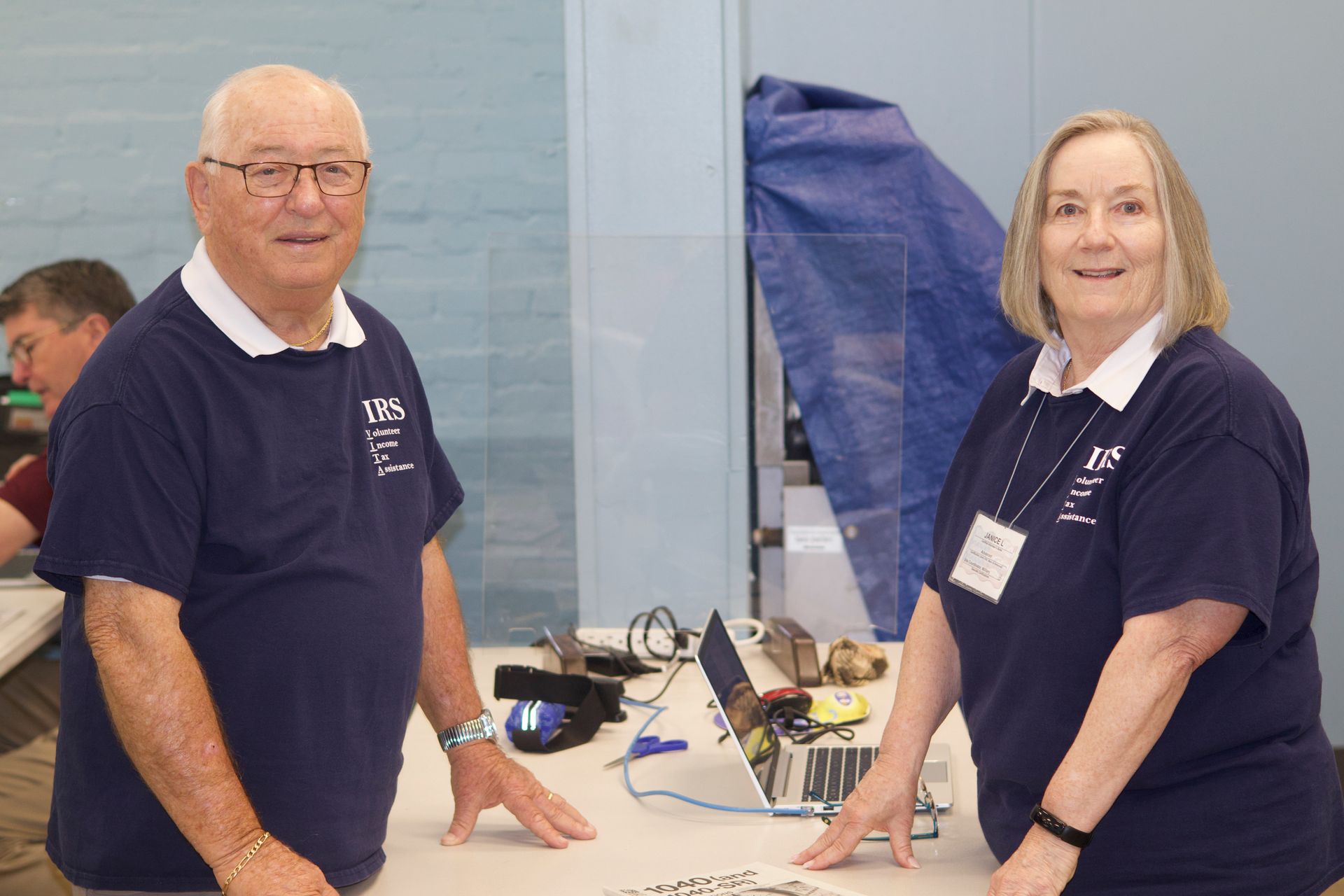
Written by Karl Vogl ll For many individuals and families, filing taxes can be a complicated and costly process. Between shifting tax laws, expensive preparation fees and confusing requirements, the process can deter people from filing altogether or reduce the refunds they depend on. In York County, a volunteer-driven program is working to change that. The Volunteer Income Tax Assistance program, known as VITA, offers free tax preparation services to eligible taxpayers, helping ensure they receive the full refunds and credits they have earned. Operated locally out of Pathways Community Center , and Winthrop University the service is staffed entirely by IRS-certified volunteers and is designed to make tax filing accessible, accurate and free. VITA also partners with the City of Rock Hill and United Way “We help the community file tax returns electronically, and we double-check everything to make sure taxpayers receive all the credits they’re entitled to,” said site coordinator Bill Perry. “There’s no charge, we’re 100% volunteers.” VITA sites generally serve individuals who earn about $69,000 or less, as well as people with disabilities, limited English-speaking taxpayers and those who need assistance navigating the filing process. Services include preparation of basic returns, W-2 income, most 1099 forms and access to key credits such as the Earned Income Tax Credit and Child Tax Credit. Some locations also assist with prior-year returns. For many residents, avoiding preparation fees can make a meaningful difference. Erin Freel, a York County resident and single mother, said she first learned about VITA while working at City Hall and has relied on it since. “I thought it was incredible that there was a place people could go and get help without being charged,” she said. “A lot of private tax services charge too much, especially when you have additional credits.” Those added fees can cut into refunds that families rely on for essential expenses. “As a single mom who doesn’t receive child support, the child tax credit is a big deal,” Freel said. “But some places charge more just to process those credits, the same money you actually need.” Using VITA has allowed her to keep more of her refund and better support her children. “Having a free service means I get to keep what I’ve worked for,” she said. “That allows me to provide more for my kids. That’s a big deal.” The York County VITA site recently relocated from City Hall to Pathways Community Center, a move that coordinators say has improved access and increased participation. “Being at Pathways has made it easier for the community to come in and get services,” Perry said. “It’s a space that’s already centered around serving people, so it’s a natural fit.” Since the move, the site has seen an increase in the number of taxpayers seeking assistance. Still, challenges remain. Assistant coordinator Janice Louttit said one of the most common issues is that filers arrive without the necessary documentation. To complete a return, taxpayers are typically required to bring a government-issued photo ID, Social Security cards or ITINs for all household members, income documents such as W-2s or 1099s, a copy of the previous year’s tax return, and banking information for direct deposit. Married couples filing jointly must both be present. Louttit said recent changes in tax laws have also added complexity for both taxpayers and preparers. “After COVID, there were a lot of new programs and ongoing changes to the tax code,” she said. “Even recently, some updates were implemented so quickly that people’s documents don’t always reflect what non-taxable W-2 income is like overtime and tips.” Despite those challenges, she said the work remains deeply rewarding. “When I retired, I knew this is what I wanted to do,” Louttit said. “This is my favorite time of the year.” For taxpayers like Freel, the value of the program goes beyond cost savings. “It’s a safe environment,” she said. “They’re honest, they explain everything clearly, and they’re there to help. It shouldn’t be complicated.” During the 2026 tax season VITA processed 5,263 returns representing 2,843 clients. Though the tax season is now over, the York County VITA site is seeking additional volunteers to meet growing demand. Community members can receive free IRS certification and training for next year, with opportunities to assist in tax preparation, client intake and site support. Those interested in volunteering for the 2027 tax season are encouraged to connect with the VITA program at Pathways Community Center and help ensure more families can access the support they need.
March 18, 2026
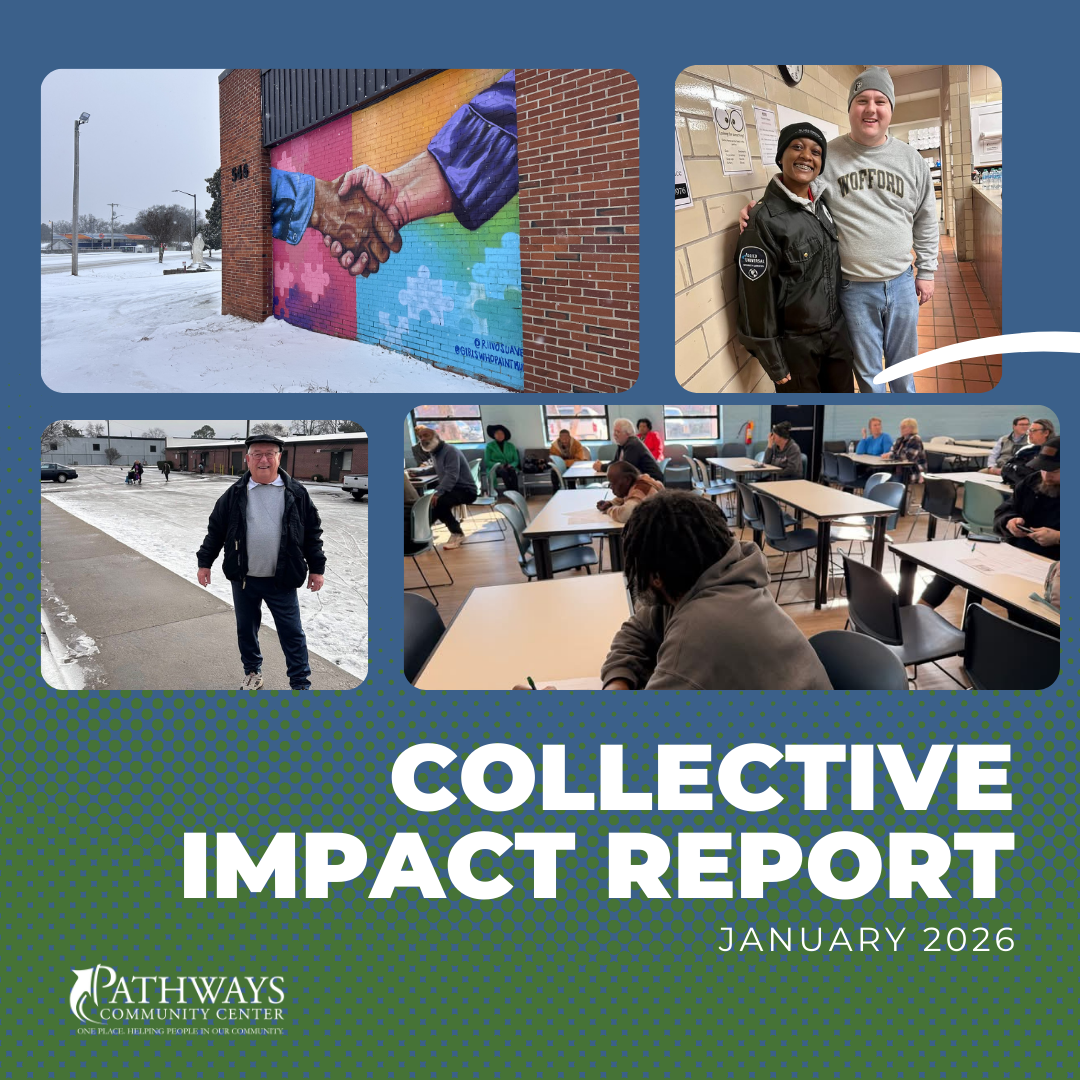
Collective Impact in Action January was a powerful reminder of what can happen when compassion meets action. Across the Pathways campus, community partners, volunteers, and on-site agencies came together to spread holiday cheer while continuing to provide critical support and services. From meals and outreach efforts to moments of connection and care, the season was filled with hope, generosity, and meaningful impact. Throughout the month, individuals received the resources they needed to move forward—whether through workforce support, housing assistance, health and recovery services, or simply the encouragement of a community that showed up for them. Every act of kindness, every shared meal, and every collaborative effort reflected the heart of Pathways. Together, we closed the year by lifting spirits, opening doors, and strengthening the pathways forward for our neighbors and our community.
March 18, 2026
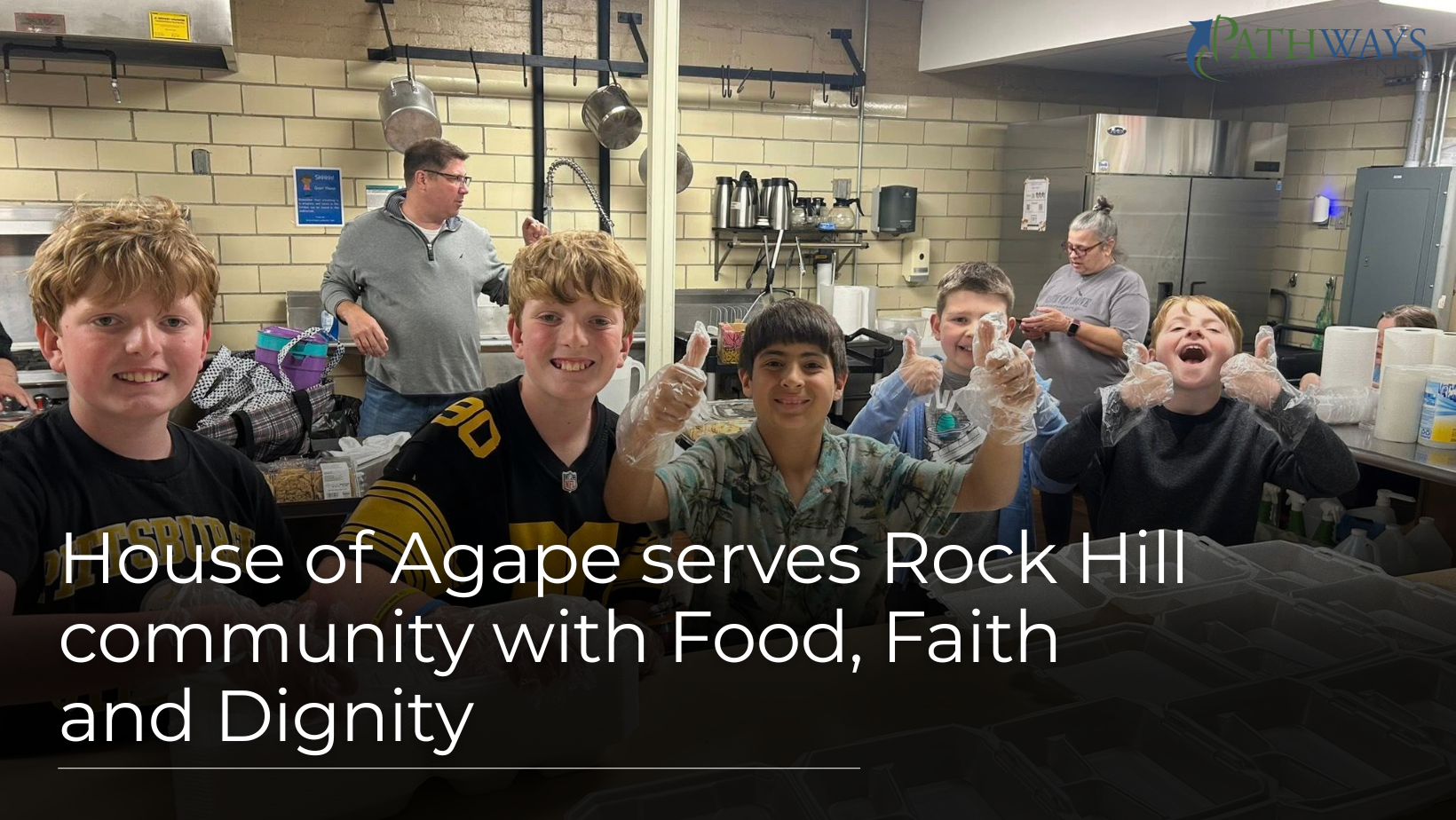
By: Karl Vogl II On any given day in Rock Hill, a hot meal can mean far more than nourishment — it can mean dignity, hope and a reminder that someone cares. At Pathways Community Center, House of Agape has quietly become a lifeline for individuals and families experiencing food insecurity. What began as a small effort to serve meals out of a garage has grown into a seven-day-a-week ministry dedicated to meeting both the physical and spiritual needs of the community. House of Agape seeks to follow the biblical call to be “doers of the word, not hearers only,” providing meals and encouragement to neighbors throughout Rock Hill. In a recent interview, trustee Robyn Large, trustee Beth Simmonds, and volunteer Michelle Pittman reflected on the ministry’s beginnings, its current initiatives and what the future may hold. According to Large, the inspiration for the ministry began with a simple act of service. Several members of the ministry previously volunteered with a feeding program in Gastonia, North Carolina, where Associate Pastor Bill Long shared weekly messages while volunteers provided meals and music. One moment in particular stayed with them. “One night a young man thanked Pastor Bill over and over for a hot dog,” Large said. “Pastor Bill told him, ‘It’s just a hot dog.’ The young man responded, ‘If it wasn’t for this hot dog, my son wouldn’t have eaten today.’” For Large, that interaction revealed the deeper impact a simple meal can have. Another defining moment soon followed. “We were in the driveway of our home washing our motorcycles when a friend stopped by,” Large said. “She told us she felt God wanted us to open a ministry like that in Rock Hill.” At the time, the idea seemed unexpected, but in the weeks that followed, Large said the path forward became clear. House of Agape began by serving food one night a week in a garage above the Larges’ home. As the need in the community became more apparent, the ministry expanded to a trailer in a nearby parking lot. Eventually, what began as a single night of service grew to seven days a week. Today, the ministry operates out of Pathways Community Center, where expanded space and shared resources have allowed the program to reach even more people. “We want each person to know they are cared for, they matter, and we would love to introduce them to the ONE from where all hope comes from,” Pittman said. The move also strengthened collaboration with other ministries serving within the Pathways network, including Lifehouse, Bethel, The Haven and Manna House. As the ministry has grown, Large and Simmonds say they have also witnessed the harmful impact of misconceptions about the people they serve. “The homeless or less fortunate are often not seen, or they are treated as if they are less than,” Simmonds said. Large said many people also assume those experiencing food insecurity must also be homeless or struggling with addiction. “While that can be true in some cases, it certainly isn’t true for everyone,” Large said. “Food insecurity does not always equate to homelessness or unemployment. Many people who work hard every day still struggle to put food on the table.” Simmonds said acknowledging that reality can be uncomfortable for some. “People at Agape are impacted physically by the weather – (hot, cold, or rainy), health issues, or the need for clothing or shelter, but they also may be more impacted by feelings of being lonely, weary, broken-hearted, angry, tired, or hopeless,” Pittman said. “So, food is not the only thing they receive at HOA that may impact their life.” Pittman emphasized that at House of Agape everyone that enters also receives hope, acceptance, a listening ear, a shoulder to cry on, or even simple smiles and laughter. We cannot fix their situation, but we can encourage them, present options and resources, listen to them, and most importantly pray with them,” Pittman said. The group also noted that many people are uncomfortable admitting that they, too, are just a paycheck or two away from being in the same circumstances as some of our clients. Volunteers play a vital role in the work of House of Agape. According to Simmonds, the culture volunteers create — along with the intentional conversations they have with guests — helps ensure every person who walks through the doors feels welcomed and valued. “The conversations are just as important as the meals,” she said. The ministry continues to welcome new volunteers, and both trustees say the program’s impact would not be possible without their dedication. While there are currently no formal plans for expansion, Large and Simmonds say they remain confident in the ministry’s direction. They believe God is guiding House of Agape exactly where it needs to be — and that the next steps will become clear in time.
February 12, 2026
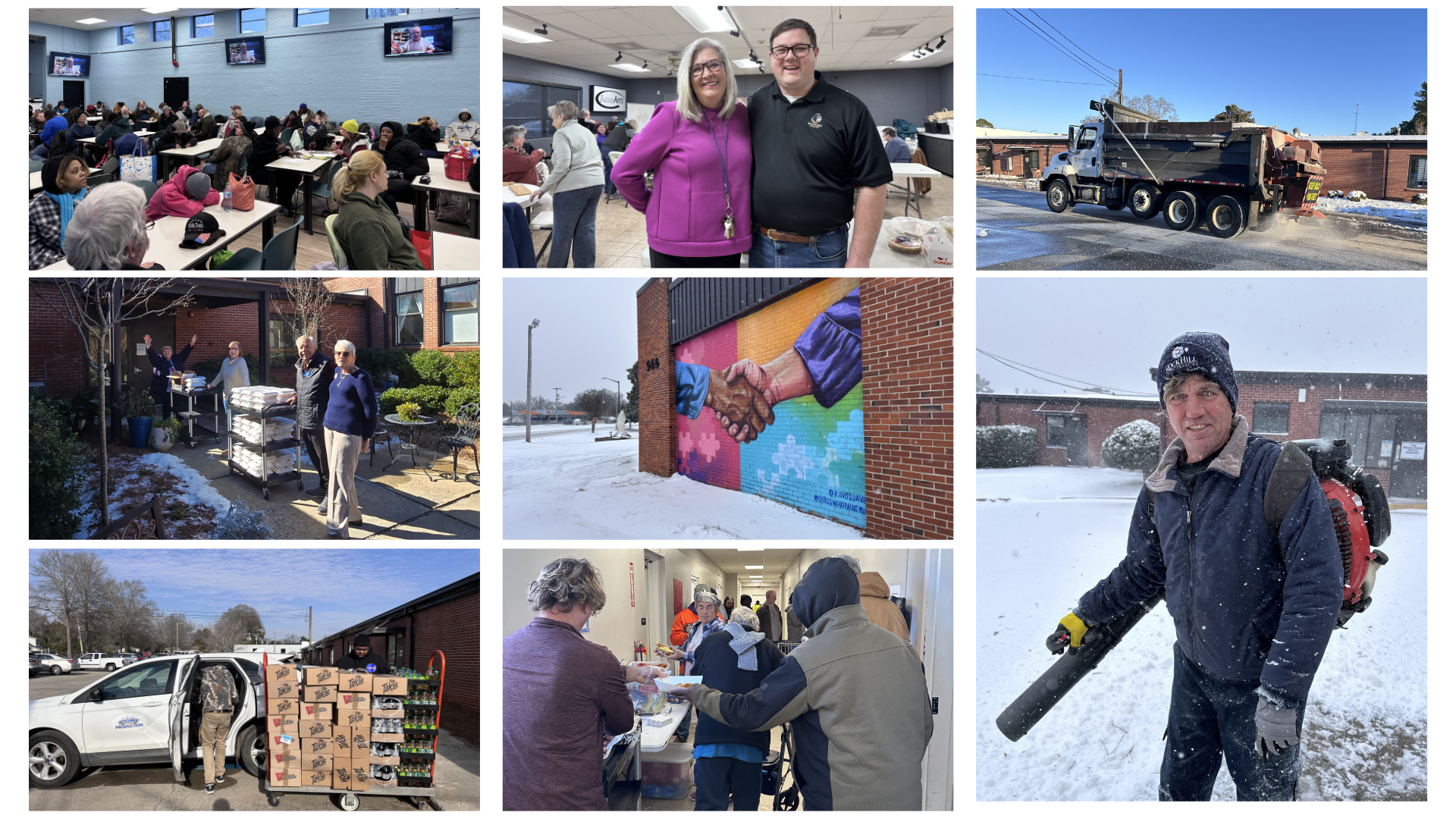
This past month, our community experienced back-to-back winter storms—weather we rarely see in our area. As conditions worsened, Pathways moved quickly into full partnership mode to ensure the safety, dignity, and care of our guests. We live in a world where collaboration and partnership are words often used, but genuine partnership is far less common. At Pathways, we truly believe in partnership. We recognize that we are all serving the same population, that we all love our community, and that we all want the very best for those we serve. We also understand that each organization has a unique calling—to live out its mission fully without duplicating efforts. During moments of crisis, that shared understanding becomes visible and powerful. As the storms approached, partners came together to plan, communicate, and support one another. We engaged community partners such as the City of Rock Hill, the American Red Cross, and the Dorothy Day Soup Kitchen to help us expand capacity and respond to emerging needs. Shelter partners across the community accepted additional guests to ensure people could get out of the dangerous weather and into safe spaces. On our campus, Pathways staff and volunteers worked tirelessly to clear snow and ice so guests—many with limited mobility—could safely navigate the exterior of the building. Staff members slept on site to ensure uninterrupted care and coverage throughout the storm. The Day Shelter expanded into the auditorium to create additional space and warmth as the number of guests increased. Support flowed in from every direction. Manna House Food Pantry donated food for shelter guests. House of Agape served additional guests and opened their space to accommodate other meals being provided. The Soup Kitchen delivered extra meals. York Electric generously brought meals when the ice storm proved less severe than anticipated. Church partners adjusted quickly, bringing meals early when travel later became unsafe. When church partners could not be physically present to serve or preach, technology allowed us to continue sharing the Word, and our own guests stepped up to prepare meals for one another. For those who chose not to stay in shelter, we provided as much warmth and support as possible. While the storms disrupted daily operations, one thing never changed: our partners never stopped caring, loving, and serving our shared guests. This is the power of partnership—moving, shifting, sharing resources, and working together to serve the people we love. This is the power of our campus.
February 6, 2026
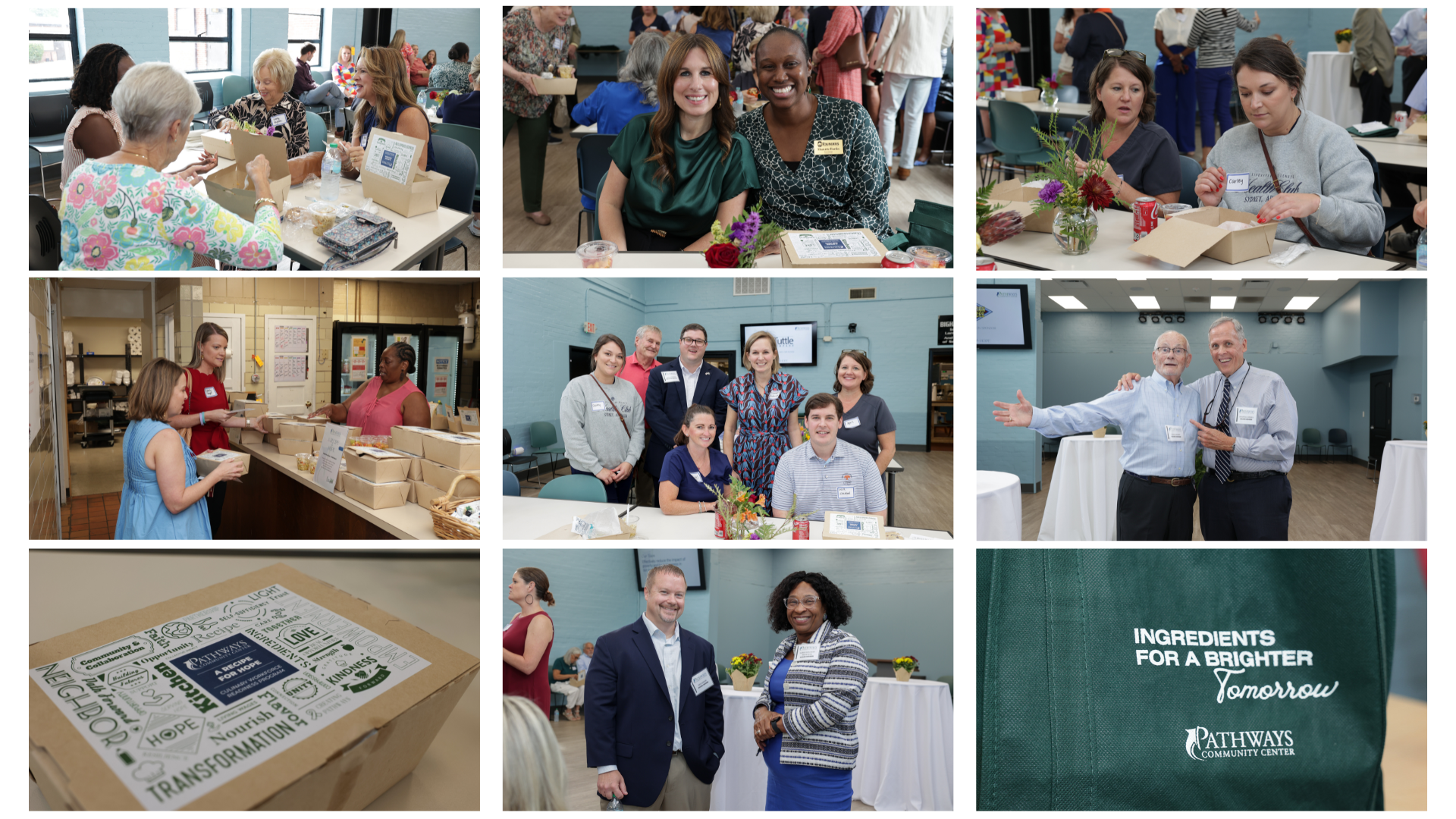
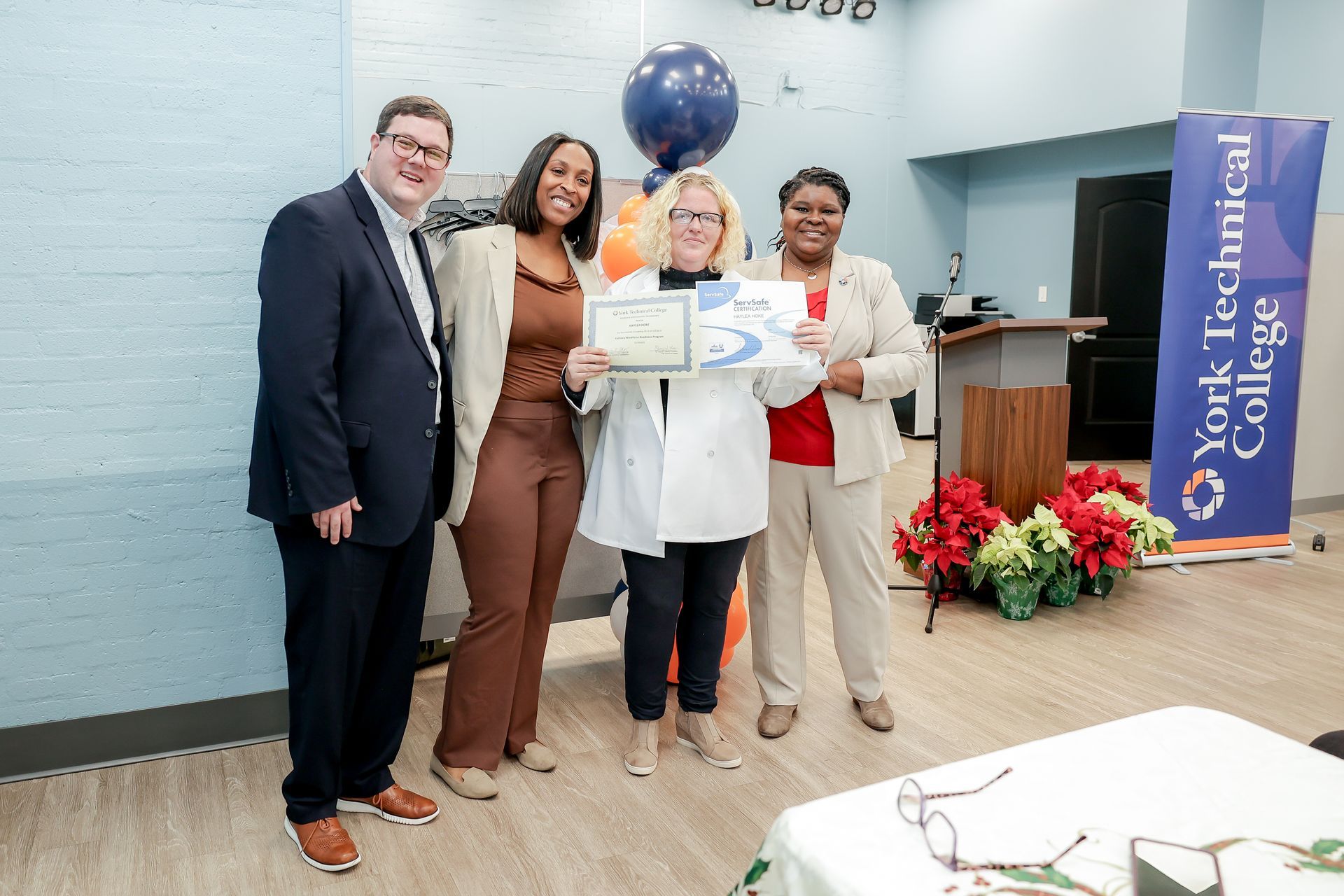
On any given night, thousands of women across America experience hardship. For Haylea Hoke, a mother and recent graduate of York Technical College’s Culinary Workforce Readiness Program, a pathway toward stability became possible through workforce training rooted in opportunity and strengthened by a network of community partners committed to walking alongside her. An integral part of Haylea’s journey toward self-sufficiency was her completion of the York Technical College nine-week Culinary Workforce Readiness Program, a hands-on training designed to equip participants with professional culinary skills, industry-recognized certification, and the confidence needed to pursue meaningful employment. For Haylea, the program represented more than job training; it was a turning point. When asked about the purpose of the program, Kimberly Massey, Workforce and Economic Development Activator for York Tech, said: “The Workforce and Economic Development Department at York Tech offers short-term training, certification, and licensure to help people find work or to advance in their work roles. Many people think of the Technical College as the place that offers 2-year degrees, and we do, but our department offers 2-week, 6-week, 4-month, etc. programs that meet the needs of our local citizens and local industry. Quite often, in cases like Haylea's, people do not have 2 years to become qualified for their next job. They need the knowledge and skills concentrated into a brief time period and assistance connecting with workforce partners who want to hire them.” Like many individuals navigating difficult circumstances, Haylea was already taking steps to care for herself and her family when she connected with local support services that helped stabilize her life and make participation in the program possible. In a recent interview, Haylea reflected on a pivotal season that led her to York Tech’s program. “At the time, I was homeless. I moved to The Life House Women’s Shelter,” she shared. “If it wasn’t for Amber and The Life House, I wouldn’t have been in the culinary program.” The Life House Women’s Shelter, located at Pathways Community Center in Rock Hill, provides women experiencing hardship with access to safe shelter, meals, hygiene services, fellowship, and case management. These essential supports allowed Haylea to focus on her goals and fully engage in York Technical College’s training program. Offered in partnership with Pathways Community Center, York Technical College’s Culinary Workforce Readiness Program blends technical instruction with professional development to prepare participants for success in the food service industry. Throughout the program, Pathways staff worked closely with students to provide encouragement, accountability, and ongoing support. “Mr. Taylor and Wanda support you in ways that I don’t think many people get supported,” Haylea said. “If it weren’t for Mr. Taylor constantly pushing us to go and keep going, I wouldn’t have stayed in the class.” In the kitchen, Haylea trained under the guidance of York Technical College instructor Chef Teshia, who challenged students to develop both their skills and their confidence. “It was truly amazing to watch Haylea’s confidence grow, not only in the kitchen but in every aspect of the program. At the start of the course, she was quiet and preferred to observe. By the end of the class, she was confidently cooking and helping lead discussions,” Chef said. Even while navigating personal challenges — including the loss of a family member — Haylea remained committed to completing the program, supported by her classmates, Chef Teshia, and Pathways staff. “Chef Teshia pushed us to the point where we knew we could do it,” Haylea shared. “She gave us the confidence that we needed.” On December 18, Haylea proudly received her white coat and Managerial ServSafe Certification during a graduation ceremony held at Pathways Community Center, marking the successful completion of York Technical College’s Culinary Workforce Readiness Program. “I don’t overthink anymore,” she said. “If I set my mind to something, I’m going to do it.” When asked what advice she would give to future students, Haylea offered simple but powerful encouragement: “Just keep pushing through. Don’t give up. It’s easy to give up, but just don’t.” Since graduating from the program, Haylea has been hired at Junior Varsity and will soon return to the kitchen at Eleven 11 Steakhouse in Rock Hill — continuing the momentum she built through York Technical College’s workforce training. Her story highlights the impact of workforce education when paired with intentional community collaboration. Through York Technical College’s Culinary Workforce Readiness Program — and the vital support of partners like The Life House and Pathways Community Center — individuals are gaining the skills, confidence, and stability needed to build lasting change. Written by Karl Vogl
February 4, 2026
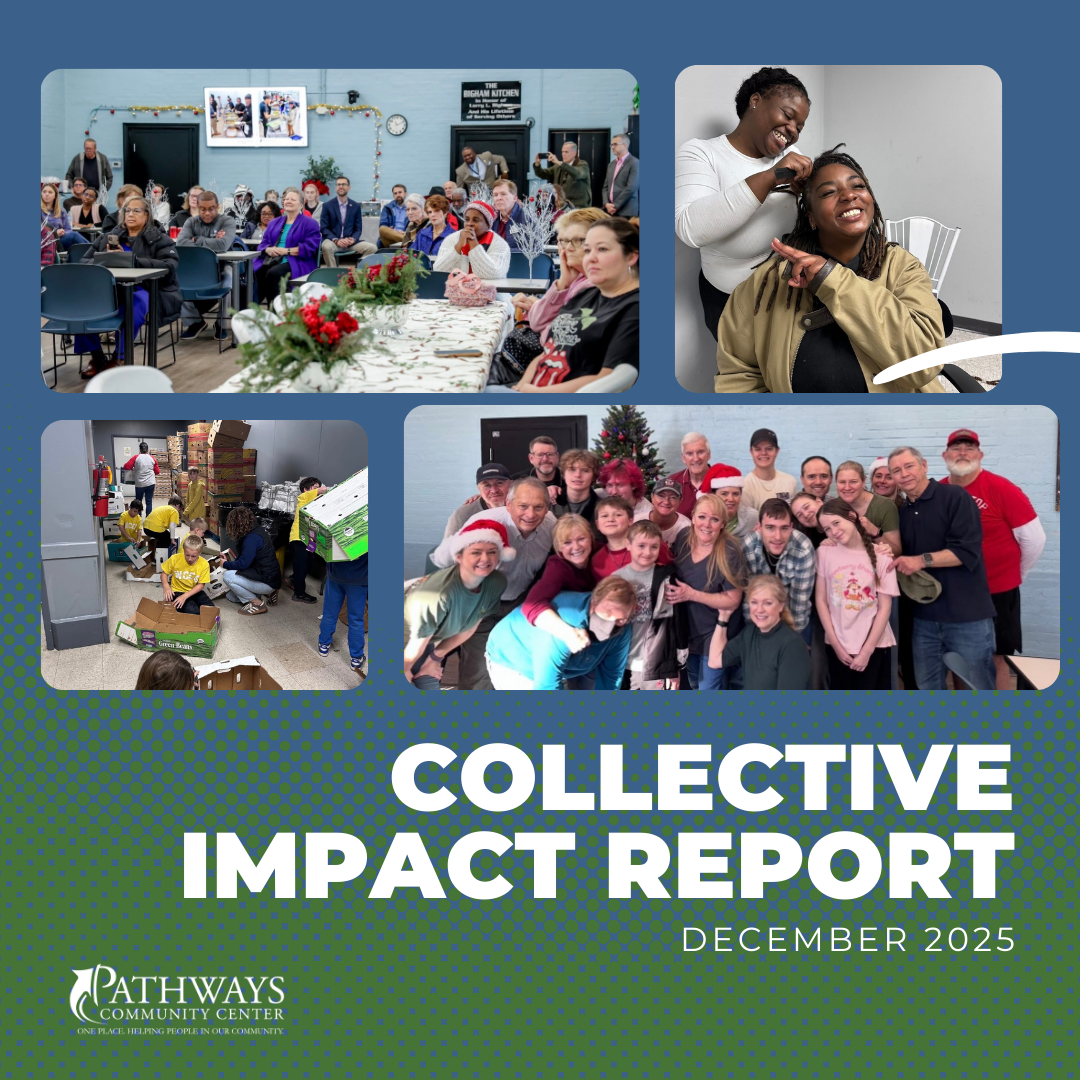
Collective Impact in Action December was a powerful reminder of what can happen when compassion meets action. Across the Pathways campus, community partners, volunteers, and on-site agencies came together to spread holiday cheer while continuing to provide critical support and services. From meals and outreach efforts to moments of connection and care, the season was filled with hope, generosity, and meaningful impact. Throughout the month, individuals received the resources they needed to move forward—whether through workforce support, housing assistance, health and recovery services, or simply the encouragement of a community that showed up for them. Every act of kindness, every shared meal, and every collaborative effort reflected the heart of Pathways. Together, we closed the year by lifting spirits, opening doors, and strengthening the pathways forward for our neighbors and our community.
Show More
paper_plane

Stay in the Know


Sign up and stay up-to-date with monthly newsletters and collective impact reports